Economy · Brussels
EU summit ends early without agreement on long-term budget
AI translation of the original report. Names and wording may contain translation errors. Read the original text
The EU summit on the long-term budget ended early without an agreement.
The leaders of the European Union countries were unable to agree on the next seven-year budget for 2028–2034. The summit in Brussels, scheduled to last two days, ended on Thursday evening: participants acknowledged that their positions differed too greatly.
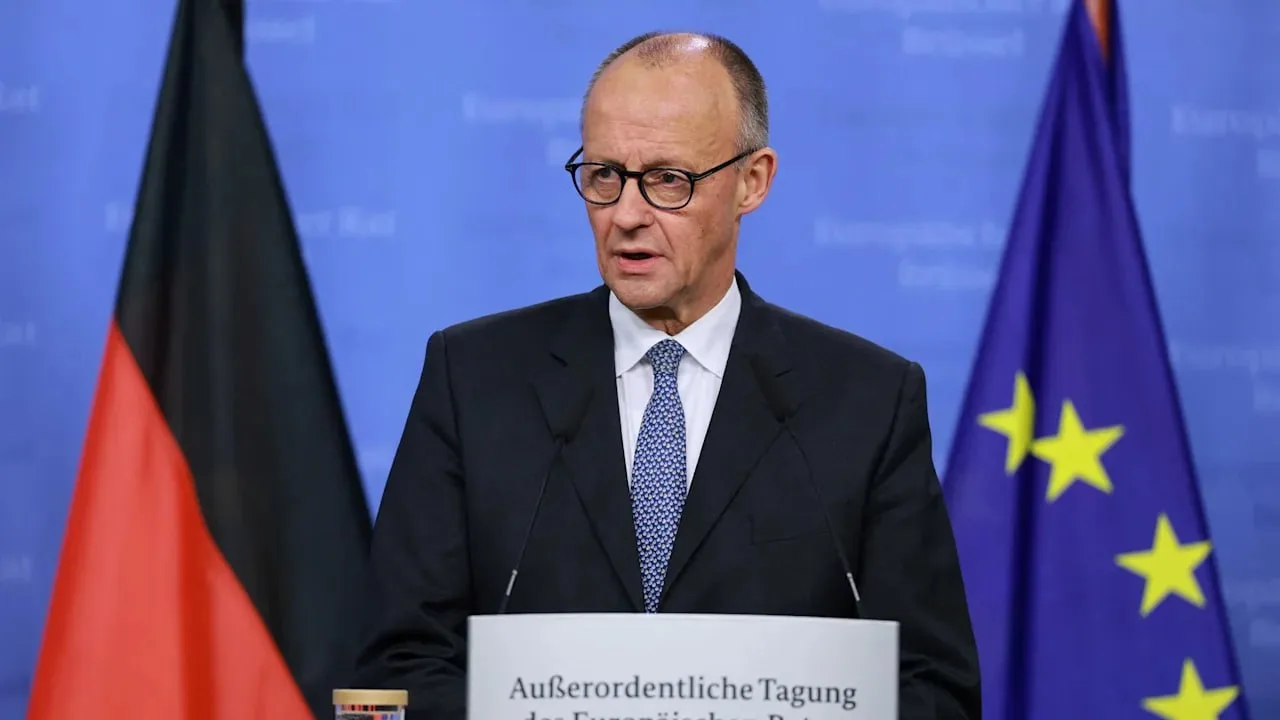
German Chancellor Friedrich Merz said he hopes to reach an agreement by the end of the year. The next opportunity for this will come at the next EU summit on December 17–18. However, negotiations may prove difficult: Germany is demanding that the budget proposed by the European Commission be cut by several hundred billion euros.
The initial draft provides for spending of around 1.7 trillion euros. European Council President António Costa has already proposed reducing this amount by 204 billion euros, but Berlin considers the cuts insufficient. Germany, according to Merz, contributes around a quarter of the EU budget, while directly receiving back about 8%. Berlin is therefore also insisting on preserving the rebate for the union's largest contributors.
Merz also spoke out against new joint EU borrowing. According to him, servicing the existing European debt alone will cost more than 150 billion euros over the next seven years. “Europe needs sustainable finances, not new debts,” the chancellor said.
They also failed to reach agreement on further aid to Ukraine. Merz insists that financial support for Kyiv should be distributed among all EU countries. Some states are not yet ready to accept this proposal.
@BILD_Russian