Environment · Germany
Groundwater deficits reported at over half of Germany’s monitoring stations
AI translation of the original report. Names and wording may contain translation errors. Read the original text
More than half of Germany’s monitoring stations recorded groundwater deficits. One reason is a lack of precipitation.
Groundwater — one of Germany’s main sources of drinking water — is under threat. Low or very low levels were recorded at more than half of nearly 6,000 monitoring stations. Two dry years have worsened the situation, and water reserves are recovering unevenly across different regions.
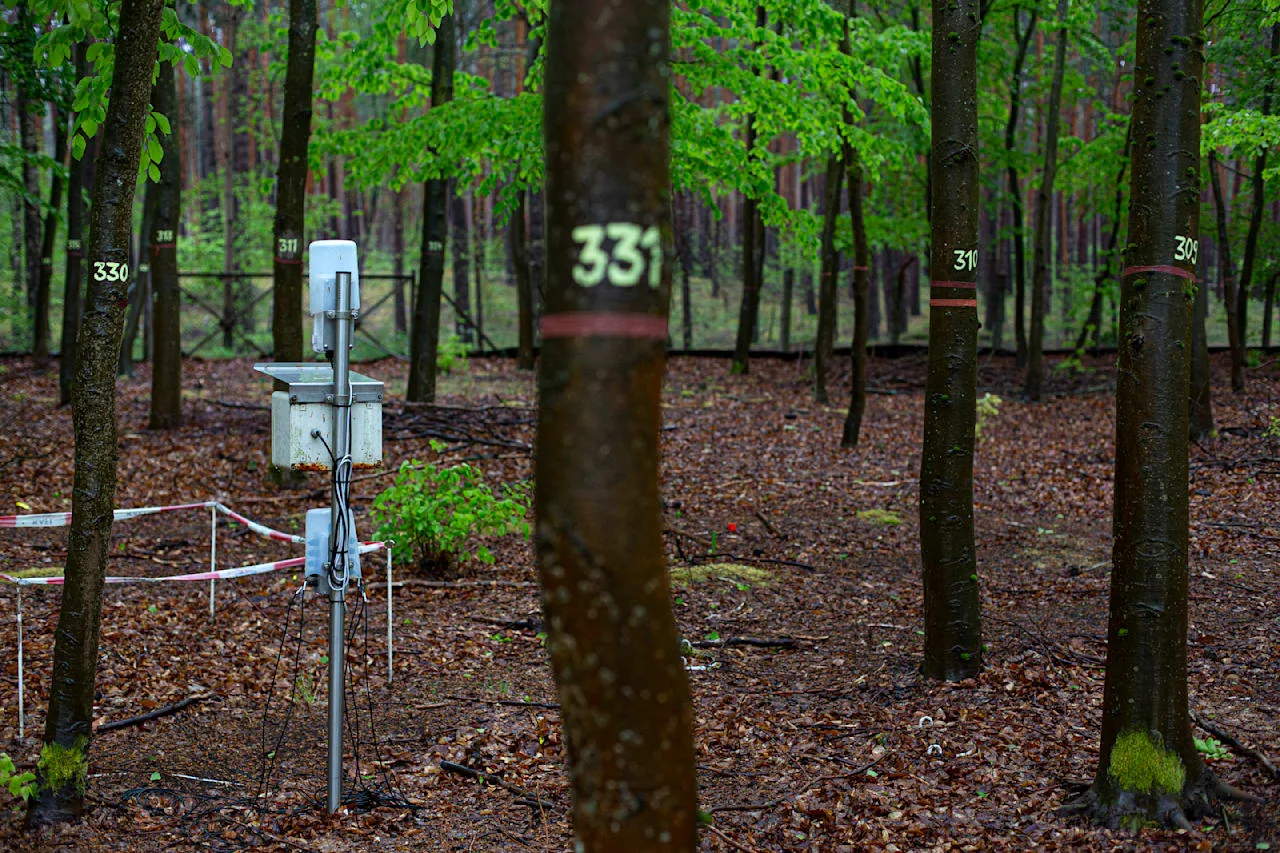
Brandenburg and some districts of Saxony-Anhalt are particularly vulnerable. Risk factors include sandy soils, pine forests, and drained wetlands: such areas retain moisture less effectively. Groundwater levels have been declining for a long time in a number of regions.
A study of trends over 1991–2020 identified statistically significant changes at 43% of the stations studied. In most cases, levels were falling; the median decline is about 0.9 centimeters per year. Groundwater responds to drought with a delay: in some aquifer systems, the effects of a lack of precipitation may persist for months or even years.
@BILD_Russian