Utilities and communicationsResolved
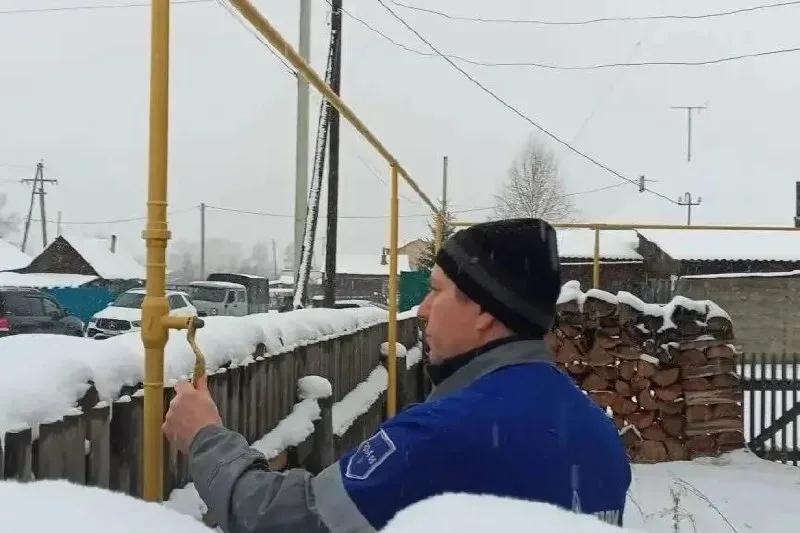
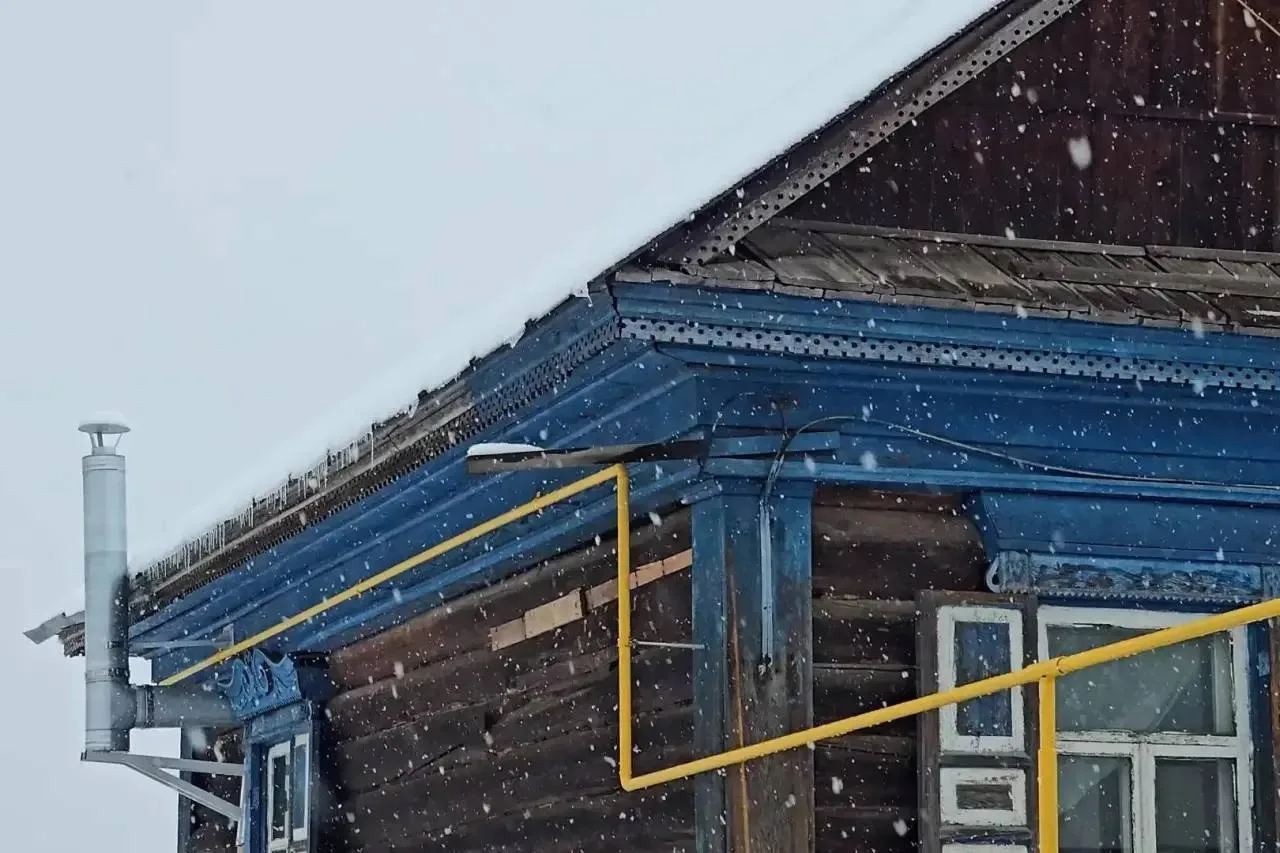
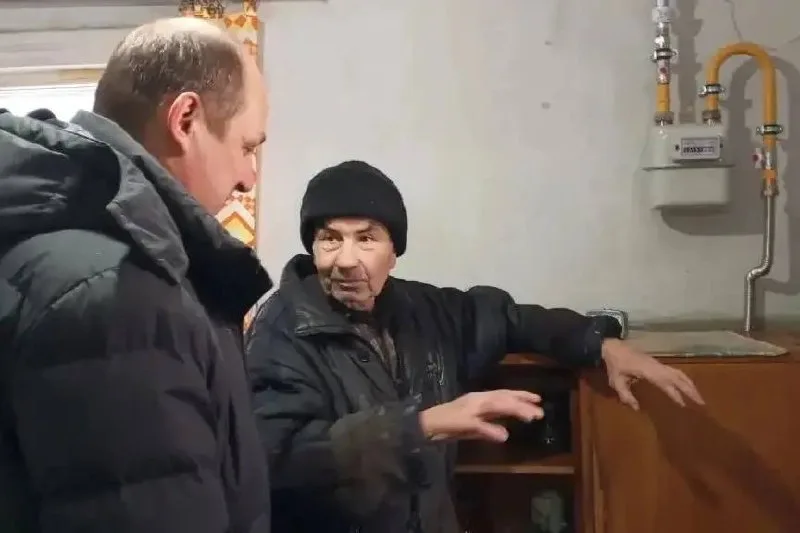
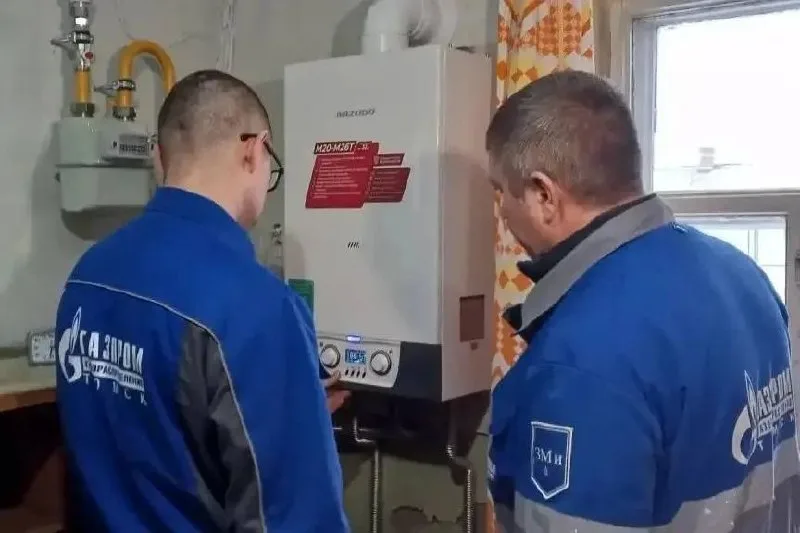
A two-year project to connect private homes that had previously been heated with coal or firewood to gas has been completed in Bratsk. In 2025–2026, a total of 885 households in the city’s Pravoberezhny District were switched to gas, 533 of them this year. Bratsk Mayor Alexander Sergeyevich Dubrovin visited several families and spoke with residents. Everyone unanimously noted the benefits and convenience of gas heating: the equipment works reliably, the house is clean, and the desired…
Read full publicationCollapse publication
A two-year project to connect private homes that had previously been heated with coal or firewood to gas has been completed in Bratsk. In 2025–2026, a total of 885 households in the city’s Pravoberezhny District were switched to gas, 533 of them this year.
Bratsk Mayor Alexander Sergeyevich Dubrovin visited several families and spoke with residents. Everyone unanimously noted the benefits and convenience of gas heating: the equipment works reliably, the house is clean, and the desired temperature is reached in a couple of minutes.
Bratsk was one of the first to join the federal “Clean Air” project under the national “Environmental Well-Being” project. This made it possible to attract federal funds — more than 332 million rubles over two years. Including regional (17.79 million rubles) and local (3.22 million rubles) co-financing, the total costs exceeded 355 million rubles.
A dedicated department was created in the city administration to implement the project. Since the new way of heating was unfamiliar to residents, administration staff conducted extensive outreach: they held meetings, visited homes, and then helped those who decided to install gas with legal matters.
Results:
• Environment: emissions from stoves and boilers fell by 1,336 tonnes, including 30 tonnes of particularly hazardous substances. The air in the city became noticeably cleaner.
• Everyday life: for residents, this is a simple convenience — no more carrying firewood and coal, stoking the stove, and taking out ash. In addition, gas heating is much more economical.
I thank everyone who took part in this work. I am glad that through the joint efforts of authorities at all levels, supervisory bodies, and Gazprom structures, we have made people’s lives more comfortable.
Photo: Bratsk city administration press service
My channel on MAX | VK | OK | Zen